The recent discovery of converting locust protein fibers into textile raw materials has sparked significant interest in both scientific and industrial circles. This innovative approach not only addresses the environmental challenges posed by locust swarms but also opens up new possibilities for sustainable fabric production. Researchers have found that the protein fibers extracted from locusts possess remarkable strength and flexibility, making them a viable alternative to traditional textile materials.
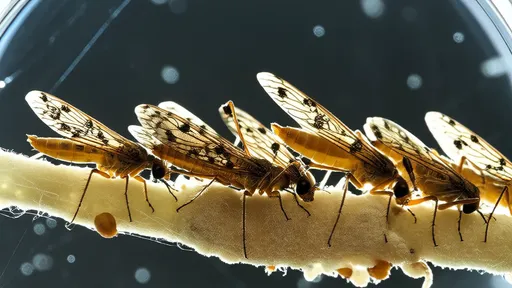
Locust swarms have long been a menace to agriculture, causing widespread devastation to crops across continents. However, scientists are now looking at these pests through a different lens. By harnessing the protein-rich fibers from locusts, they aim to transform a global nuisance into a valuable resource. The process involves carefully extracting and refining the protein filaments, which are then spun into threads suitable for weaving.
The potential applications of locust-derived textiles are vast. From high-performance sportswear to medical bandages, the unique properties of these fibers offer numerous advantages. Unlike synthetic materials, locust protein fibers are biodegradable and require less energy to produce. This makes them an attractive option for eco-conscious consumers and manufacturers alike.
One of the most compelling aspects of this innovation is its scalability. Locust swarms often consist of billions of individuals, providing an abundant source of raw material. In regions frequently affected by locust infestations, this could create new economic opportunities for local communities. Instead of viewing locusts solely as a threat, farmers and entrepreneurs might soon see them as a valuable commodity.
However, challenges remain in perfecting the extraction and processing techniques. The current methods are still in the experimental stage, and researchers are working to improve efficiency and reduce costs. Additionally, there are questions about consumer acceptance—will people be willing to wear clothing made from insects? Market studies suggest that as awareness of environmental issues grows, so too does openness to alternative materials.
The textile industry is under increasing pressure to adopt more sustainable practices. Traditional cotton farming consumes vast amounts of water, while synthetic fibers contribute to microplastic pollution. Locust protein fibers present a promising solution to these problems. If successfully commercialized, they could revolutionize the way we think about both pest control and fabric production.
Several startups and research institutions are already investing in this technology. Pilot projects in East Africa and Southeast Asia are testing the feasibility of large-scale locust fiber production. Early results are encouraging, with prototypes demonstrating durability comparable to conventional textiles. The next step involves refining the manufacturing process to meet industry standards.
Beyond textiles, locust protein fibers may have applications in other fields. Biomedical researchers are exploring their potential for use in wound dressings and surgical sutures. The fibers' natural biocompatibility and strength make them ideal for these purposes. This versatility further enhances the economic viability of locust-based materials.
Critics argue that promoting locust harvesting could inadvertently encourage the proliferation of these insects. However, experts counter that controlled collection during swarm events would not impact overall populations. Moreover, the financial incentive to harvest locusts might lead to more effective monitoring and control of outbreaks.
The cultural significance of this innovation should not be overlooked. In many societies, insects have traditionally been used as food sources. Expanding their use to textiles represents a natural progression in human-insect relationships. As with any emerging technology, education and awareness campaigns will be crucial in gaining public acceptance.
Looking ahead, the development of locust protein fibers could serve as a model for other waste-to-resource initiatives. It demonstrates how creative thinking can turn environmental challenges into opportunities. With continued research and investment, what was once considered a plague may soon become a prized raw material in the global textile market.
The journey from pest to fabric is still in its early stages, but the potential is undeniable. As climate change intensifies and resources become scarcer, such innovations will become increasingly valuable. The locust fiber story reminds us that sometimes, the solutions to our most pressing problems can come from the most unexpected places.

By /Jul 25, 2025

By /Jul 25, 2025

By /Jul 25, 2025

By /Jul 25, 2025

By /Jul 25, 2025

By /Jul 25, 2025
By /Jul 25, 2025

By /Jul 25, 2025

By /Jul 25, 2025

By /Jul 25, 2025

By /Jul 25, 2025

By /Jul 25, 2025
By /Jul 25, 2025
By /Jul 25, 2025

By /Jul 25, 2025
By /Jul 25, 2025

By /Jul 25, 2025

By /Jul 25, 2025

By /Jul 25, 2025

By /Jul 25, 2025
