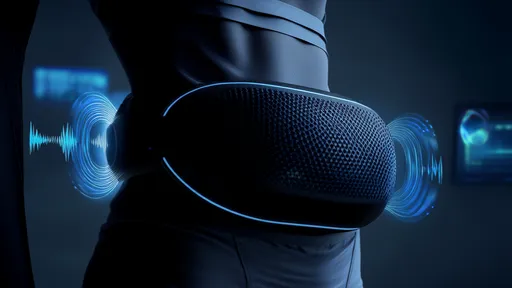
In a world where stress and anxiety have become pervasive, innovative solutions are emerging to help individuals find relief. One such breakthrough is the infrasonic waistband, a wearable device designed to harness the power of low-frequency sound waves to promote relaxation and mental well-being. Unlike traditional methods, this technology operates on the principle that specific frequencies can interact with the body’s natural rhythms, offering a non-invasive way to combat anxiety.
The concept of using sound for therapeutic purposes isn’t entirely new. For centuries, cultures around the globe have incorporated music and vibration into healing practices. However, the infrasonic waistband takes this idea a step further by targeting frequencies below the threshold of human hearing—typically below 20 Hz. These infrasonic waves are believed to resonate with the body’s autonomic nervous system, which governs stress responses, potentially inducing a state of calm without the need for medication.
How does it work? The waistband is embedded with small transducers that emit controlled infrasonic pulses. When worn around the abdomen, these vibrations are thought to stimulate the vagus nerve, a critical pathway connecting the brain to various organs. By modulating this nerve’s activity, the device may help regulate heart rate, reduce cortisol levels, and alleviate symptoms of anxiety. Early adopters report feeling a subtle but noticeable shift in their stress levels after just a few minutes of use.
What sets this technology apart is its portability and discretion. Unlike bulky meditation aids or overt therapy tools, the waistband can be worn under clothing, allowing users to integrate stress relief seamlessly into their daily routines. Whether during a hectic workday or a stressful commute, the device offers a private way to manage anxiety without drawing attention. This practicality has made it particularly appealing to professionals and students who face constant pressure.
The science behind infrasonic therapy is still evolving, but preliminary studies are promising. Research suggests that low-frequency vibrations can influence brainwave patterns, potentially shifting them from high-alert beta states to more relaxed alpha or theta states. Some experts compare the effect to the deep, grounding sensation experienced during meditation or yoga. While long-term studies are needed, the anecdotal evidence is compelling, with many users describing the waistband as a "game-changer" for their mental health.
Critics, however, urge caution. They point out that the mechanisms by which infrasound affects the body are not yet fully understood, and individual responses can vary widely. Some people may find the vibrations soothing, while others might feel no effect at all. Additionally, there are concerns about over-reliance on technology for emotional regulation, potentially overshadowing traditional therapies like counseling or mindfulness practices. Despite these reservations, the growing demand for accessible anxiety solutions continues to drive interest in the device.
Manufacturers of the infrasonic waistband emphasize its complementary role in mental health care. It’s not marketed as a cure-all but rather as a tool to augment existing strategies. For instance, pairing the device with cognitive-behavioral techniques or breathwork could enhance its benefits. This balanced approach resonates with healthcare professionals who advocate for holistic well-being, combining technology with time-tested methods.
As the conversation around mental health becomes more open, innovations like the infrasonic waistband highlight the intersection of technology and wellness. While it may not replace traditional treatments, it represents a fascinating step forward in personalized stress management. For those seeking new ways to navigate the challenges of modern life, this device offers a glimpse into the future of anxiety relief—one frequency at a time.
By /Jul 25, 2025

By /Jul 25, 2025
By /Jul 25, 2025

By /Jul 25, 2025

By /Jul 25, 2025

By /Jul 25, 2025

By /Jul 25, 2025

By /Jul 25, 2025

By /Jul 25, 2025

By /Jul 25, 2025
By /Jul 25, 2025

By /Jul 25, 2025

By /Jul 25, 2025
By /Jul 25, 2025

By /Jul 25, 2025

By /Jul 25, 2025

By /Jul 25, 2025

By /Jul 25, 2025
By /Jul 25, 2025
By /Jul 25, 2025
