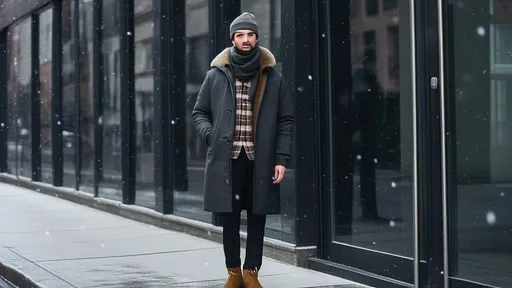
The Nordic approach to winter dressing is a masterclass in balancing warmth and style. Unlike the bulky, shapeless silhouettes often associated with extreme cold weather, Scandinavians have perfected the art of layering without sacrificing aesthetics. Their secret lies in a sophisticated five-layer system that traps heat efficiently while allowing for mobility and visual appeal.
Base Layer: The Foundation of Warmth
Everything begins with what touches the skin. Nordic winters demand a high-performance base layer that wicks moisture away while providing insulation. Merino wool reigns supreme in this category, offering natural temperature regulation and odor resistance. The Scandinavian philosophy here is simple: comfort at the skin level determines how well the rest of the layers will perform. Unlike synthetic materials that can feel clammy, merino maintains its thermal properties even when damp from perspiration.
Mid Layers: The Science of Heat Retention
The second and third layers serve as the thermal core of the system. A thin fleece or wool sweater acts as the first mid-layer, creating air pockets that trap body heat. The second mid-layer typically consists of a down or synthetic insulated vest or jacket, strategically placed to protect the torso while allowing arm mobility. This combination demonstrates the Nordic understanding that heat distribution matters more than uniform thickness. The air circulation between these layers creates a microclimate that adjusts to activity levels.
Weather Protection: Shielding Without Suffocating
Scandinavians know that the most advanced insulation means nothing without proper wind and water protection. The fourth layer is a breathable, waterproof shell that blocks Arctic winds while allowing vapor to escape. This is where Nordic design shines - their technical outerwear incorporates articulated seams and strategic stretch panels that maintain the jacket's protective qualities without restricting movement. The attention to detail extends to storm cuffs, adjustable hoods, and reinforced stress points that make these pieces both functional and durable.
Accessory Layers: The Finishing Touches
The fifth layer isn't clothing in the traditional sense but rather a system of accessories that protect vulnerable areas. Nordic winters teach that heat escapes fastest from extremities, so the ensemble isn't complete without insulated gloves, a thermal neck gaiter, and proper headwear. The Scandinavian approach favors separate components over all-in-one solutions - a wool beanie under the jacket hood provides more versatility than a single thick hat, allowing adjustment as conditions change throughout the day.
What makes this system uniquely Nordic goes beyond the physical layers. There's an underlying philosophy of "functional minimalism" - each piece serves multiple purposes, and nothing is superfluous. The color palettes tend toward neutrals that work in harmony, creating visual cohesion despite the technical complexity. This approach reflects a cultural mindset where practicality and design aesthetics are not opposing forces but complementary elements of daily life.
The five-layer method also accommodates the dynamic nature of Scandinavian winters. Unlike heavy single-layer coats that force an all-or-nothing choice between warmth and comfort, this system allows for easy adjustment. Entering a heated space? Remove the shell and mid-layers. Facing a sudden snow squall? Add the waterproof layer back on. This adaptability is crucial in regions where temperatures can fluctuate dramatically between morning commutes and afternoon activities.
Material innovation plays a crucial role in maintaining the slim profile of Nordic winter wear. Advanced fabrics like windproof wool blends, ultra-light down alternatives, and membrane technologies allow for thinner layers that outperform their bulkier counterparts. Scandinavian outdoor brands invest heavily in research to develop materials that meet their exacting standards for both performance and environmental sustainability.
The cultural significance of this dressing method extends beyond mere survival in harsh climates. In Nordic countries, winter lasts half the year or more, making effective cold-weather wear essential for maintaining an active lifestyle. The ability to move comfortably outdoors during long winters contributes significantly to the renowned Scandinavian quality of life. This layered approach enables everything from biking to work in February to weekend ice fishing expeditions without requiring complete wardrobe changes between activities.
Adopting the Nordic layered approach requires a shift in perspective. It's not about finding the single warmest coat, but rather understanding how different materials and garment cuts interact to create a personal climate control system. The initial investment in quality layers pays dividends in versatility and longevity - a well-curated Nordic winter wardrobe can last for decades with proper care, making it both a practical and sustainable choice.
As global winters become increasingly unpredictable with climate change, the wisdom of Scandinavian cold-weather dressing gains broader relevance. The five-layer system offers a template for adapting to variable conditions without accumulating excessive specialized gear. Whether facing a damp European winter or dry Arctic cold, the principles of strategic layering, material intelligence, and functional design remain universally applicable.
The elegance of Nordic winter wear lies in its deceptive simplicity. What appears as a casually stylish ensemble is actually a precisely engineered response to environmental challenges. This harmony of form and function represents the pinnacle of cold-weather dressing - proving that warmth need not come at the expense of comfort or aesthetics when approached with Scandinavian ingenuity.

By /Jul 25, 2025

By /Jul 25, 2025

By /Jul 25, 2025

By /Jul 25, 2025
By /Jul 25, 2025

By /Jul 25, 2025

By /Jul 25, 2025

By /Jul 25, 2025

By /Jul 25, 2025

By /Jul 25, 2025

By /Jul 25, 2025

By /Jul 25, 2025

By /Jul 25, 2025

By /Jul 25, 2025

By /Jul 25, 2025
By /Jul 25, 2025

By /Jul 25, 2025

By /Jul 25, 2025

By /Jul 25, 2025

By /Jul 25, 2025
